Knowledge Drop
Secure Document Archiving for Schools: Should Older Records Stay Physical or Move to Digital Storage?
Wednesday, 25 November 2026
Older school records do not all need the same storage format. Some are better kept as physical originals, some become easier to use when scanned, and some need both. The right choice depends on why the record is being retained, how often authorised staff need it, the security required and how much working space the school can reasonably dedicate to older files.
A secure document archiving review should therefore begin with the records themselves. Before moving boxes or starting a scanning project, confirm what still needs to be kept, how it needs to be accessed and what should happen when its retention period ends.
Start With Retention Before Choosing a Format
The first decision is not paper versus digital. First confirm that the school still has a reason to retain the record.
ICO guidance says personal data should not be kept for longer than necessary and organisations should set standard retention periods where possible. Schools should therefore follow their own retention policies and any applicable legal or regulatory requirements before deciding where older records belong.
Once retention is confirmed, look at how staff use the information. A record requested every month creates a different access need from an original that must be preserved but is seldom consulted. This distinction helps prevent schools from scanning whole archives simply because digitisation appears convenient.
It also reduces the risk of keeping unnecessary duplicate versions. A scan creates another record that needs to be identified, protected and managed. Digitisation is most useful when it solves a genuine access or handling problem.
When Does Physical Archiving Make Sense?
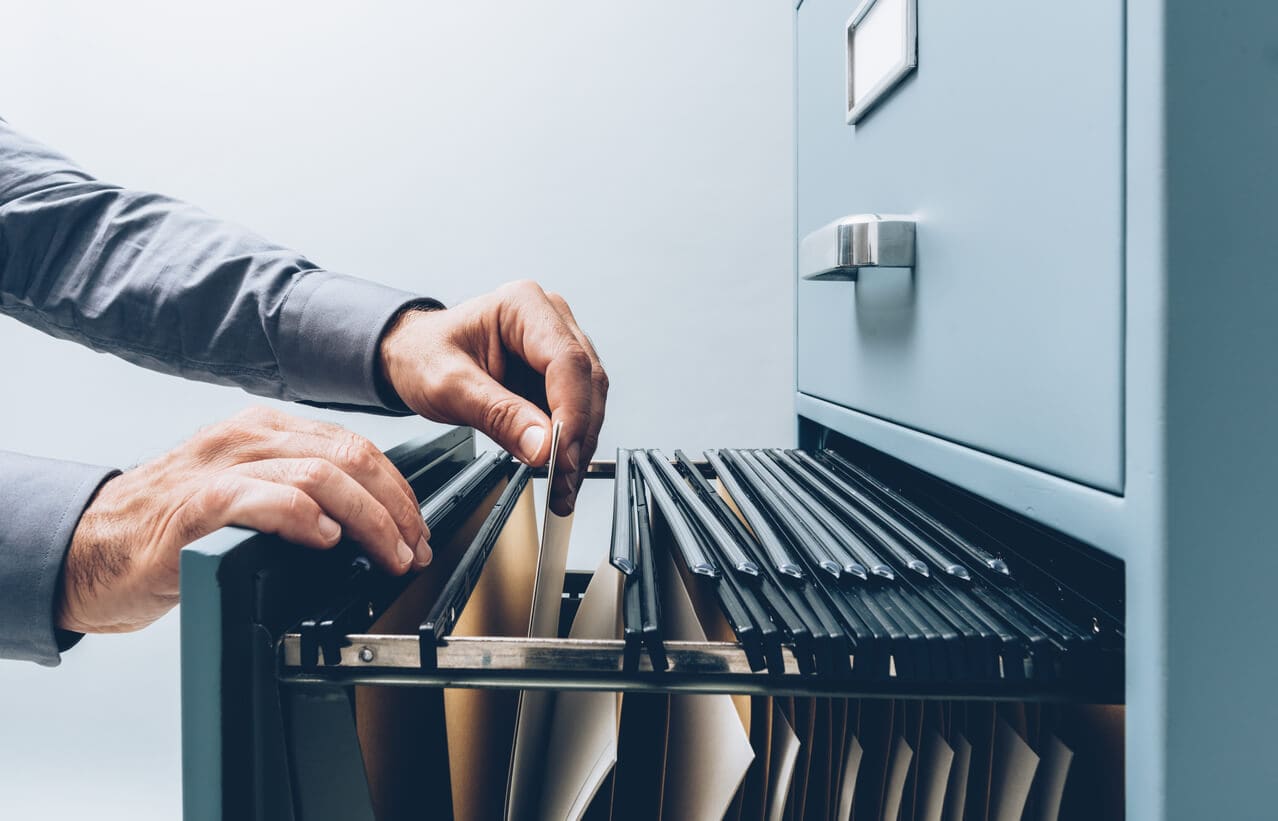
Physical archiving can suit records that need to be retained but no longer need to occupy active office filing. It may also be appropriate when the original document still matters and staff do not need frequent digital access.
The archive needs more structure than labelled boxes. Staff should know what has been stored, how a record is identified and who is allowed to request it. If the existing descriptions are unclear, moving the files off-site will not fix the retrieval problem.
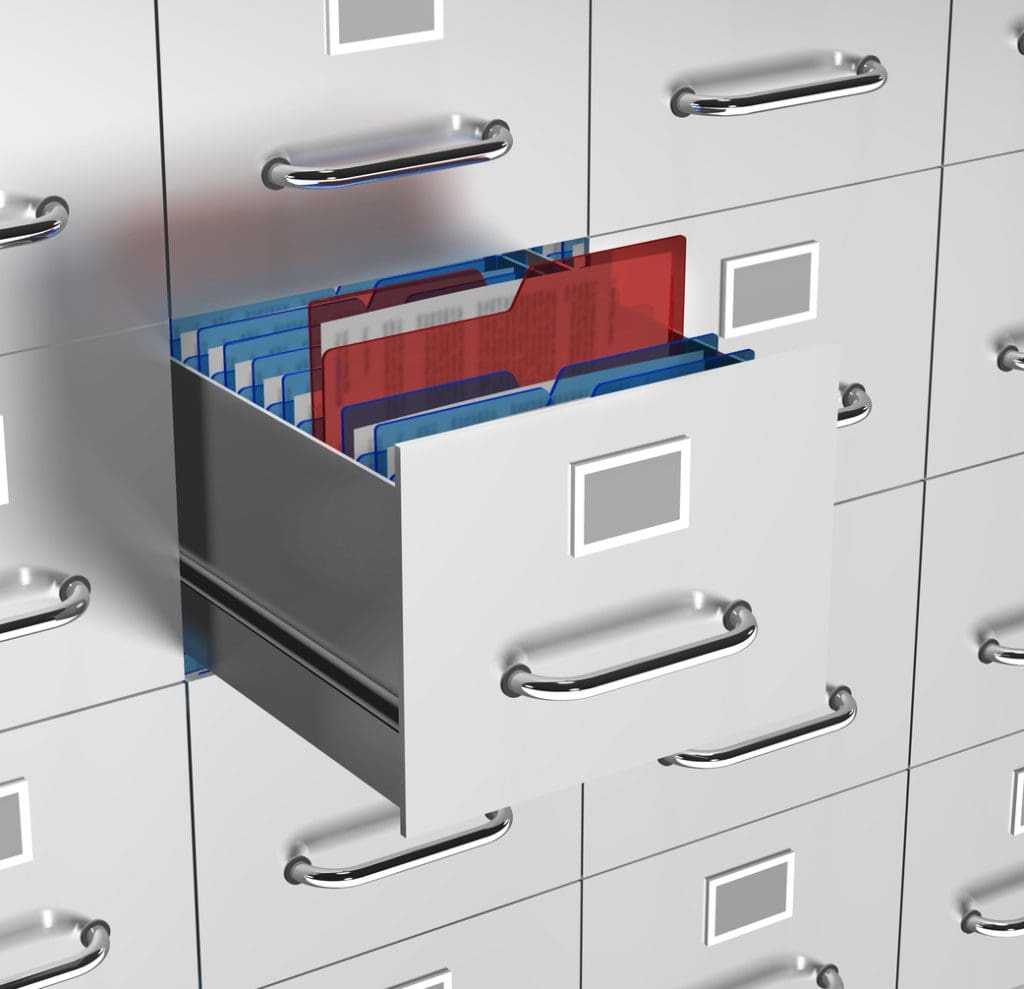
Our document management service includes secure storage and archiving in a purpose-built facility, with barcode-linked technology supporting retrieval. For schools with older records taking up working space, this provides a way to move less frequently used material out of busy areas while keeping an organised route to authorised access.
When Is Digital Storage More Useful?
Scanning is useful when authorised staff need the information more regularly or need to access it without retrieving the original paper file. It can also reduce repeated handling of records that need to remain physically stored.
Plan the indexing before scanning begins. A digital archive is only useful if staff can recognise and find the correct record. Agree naming conventions and useful reference information, then decide how incomplete, duplicated or poor-quality scans will be dealt with.
Our document management offering includes scanning, indexing and online access. Stored documents can also be requested through a one-hour scan-and-send facility for urgent access. These options allow schools to improve access to selected records without assuming that the whole archive needs to become digital.
For schools that need a broader combination of formats, our digital storage and archiving service also supports online, physical and hybrid storage.
Use a Hybrid Approach for a Clear Reason
A hybrid approach can work well when the school needs to keep a physical original but also has a practical reason for authorised staff to access a digital version. Another option is to index the physical archive so staff can identify the correct file before requesting it.
The relationship between the paper and digital versions needs to be clear. Staff should understand which version they need for a particular task and how a digital copy relates to the original. If information changes or an indexing error is found, the process should make it clear how that issue is corrected.
Secure Document Archiving does not require one format across the whole school. Different collections may need different approaches depending on access frequency, retention requirements and the purpose of the original.
Plan Indexing and Retrieval Before Moving Records
A useful archive should make future retrieval clearer. Before transferring a collection, review the labels and descriptions already in use. If staff cannot identify records reliably now, agree a better indexing approach before the move.
Testing the process with a smaller collection can help. Staff can check if the descriptions make sense, follow the request process and identify gaps before more records are transferred. This gives the school an opportunity to improve the process while the project is still manageable.
Space should form part of the decision too. Moving older files into managed storage can release cupboards or rooms for current school activity, but space alone is not a reason to scan documents. Access and retention should still determine the format.
Decide What Should Eventually Leave the Archive
Archiving should not become a permanent destination for records simply because they have already been moved. Schools still need to review retention and decide when information no longer needs to be kept.
Once the appropriate person has confirmed that confidential records can be destroyed, they should follow an approved secure disposal process. Our waste management service includes confidential waste collection and secure shredding, providing a route for sensitive paperwork that has reached the end of its approved retention period.
Keeping retention, archiving and destruction as separate decisions helps avoid premature disposal while also preventing older records from remaining in storage by default.
Speak to Our Team About Secure School Archives
The best storage format depends on what the school still needs from each record. Physical archiving may suit retained originals that staff use infrequently. Scanning and online access may be more practical for information that authorised colleagues need more regularly. A hybrid setup can support both where there is a clear reason to maintain each version.
Our Secure Document Archiving options form part of our wider Document Management service, which includes secure storage, barcode-linked retrieval, scanning, indexing, online access and secure destruction.
If your school, academy or college is reviewing older records, contact our team to discuss the collections involved and how staff need to access them. We can help you consider a practical storage approach without assuming that every document should follow the same route.