How Employee Ownership Shapes Our Approach to Office Furniture Projects
Knowledge Drop
An Office Furniture project often begins with a practical request: desks, chairs, storage or furniture...
Read More
Wednesday, 4 November 2026
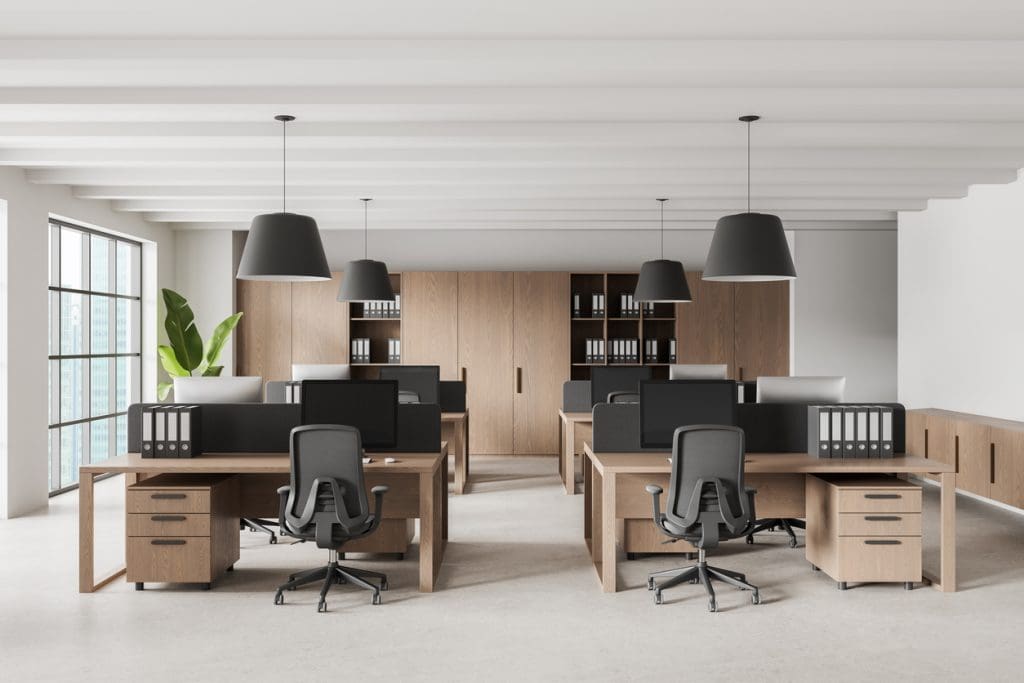
An Office Furniture project often begins with a practical request: desks, chairs, storage or furniture for a shared area. The list matters, but it does not always explain what needs to change in the space. A layout may simply no longer suit how the team uses the room.
Our starting point is to understand what the space needs to support before we decide what should go into it. Since 2025, we have been owned through an Employee Ownership Trust. That structure supports our independence, long-term continuity and shared responsibility. It does not decide the outcome of a furniture project, but it provides useful context for how we work together across planning, sourcing and installation.
The most useful furniture brief explains what the workplace needs to achieve. A request for more desks may reflect a genuine shortage, but it could also point to a layout that no longer fits the way the team uses the room. The same applies to seating, storage and shared areas.
We can help customers review the space before the final product list is agreed. Our Office Furniture service includes free interior planning and CAD design, which can help turn an initial requirement into a clearer proposed layout. That gives decision-makers something more useful to assess than a product list alone.
Planning first can also help identify what should stay. If existing furniture still suits the space and remains useful, it may not need to be replaced. Where change is needed, the specification can focus on the areas that will make the most practical difference.
Employee ownership does not guarantee a particular service result. The outcome still depends on the brief, the products selected, the project plan and how the work is delivered.
For us, the Employee Ownership Trust supports a long-term view of the business and shared responsibility across the team. Our company is held in trust on behalf of our employees, helping us retain our independence and keep the future of the business connected to the people who work here.
That matters because the different stages of a furniture project need to connect. The proposed layout should reflect the agreed budget and practical constraints, and installation needs to follow what has already been approved.
Our ownership structure provides context for that joined-up approach, while clear responsibilities remain important.
Furniture has to work in the room as well as look suitable on a product page. Desk dimensions affect available floor space. Storage can improve organisation but still needs to leave enough room for movement. Meeting and breakout furniture should reflect how people are expected to use those areas.
Our furniture and refurbishment service can support projects from an individual workstation to a complete office refurbishment. We offer planning, CAD design, furniture sourcing and installation, with wider interior works available when the project requires them.
For organisations considering a broader change, our workplace design service through Bates Studio includes space planning and complete office fit-outs. A simple furniture requirement does not need to become a full refurbishment, but having design support available means we can bring it into the project where it is genuinely useful.
A furniture proposal needs to make sense to the people approving the purchase as well as the people using the finished space. Price matters, but procurement teams also need enough detail to understand what is being proposed and why.
Our planning and CAD design services can connect furniture choices to a proposed layout. We can also provide detailed proposals, clear costings and schedules for the work. This can make it easier for decision-makers to review the scope, compare the proposal with the available budget and identify anything that still needs to be agreed.
The aim is to keep the project proportionate. A small furniture requirement should remain straightforward, while a more complex refurbishment may need additional planning and coordination.
Workplaces can change as teams grow, working patterns shift or rooms take on different purposes. Furniture planning should therefore consider what the organisation may need from the space after the immediate project is complete.
That could mean thinking carefully about furniture dimensions, leaving room for a different layout later or choosing products that suit more than one type of activity. There is no single approach that will suit every organisation, so these decisions should follow the workplace brief rather than a generic trend.
Furniture delivery needs to fit around the workplace and the agreed project schedule. For furniture orders, we provide an anticipated delivery date and contact customers to arrange free installation. Bespoke and special-order items can take longer, so timings need to be agreed around the products and work involved.
Where a project includes refurbishment, we can also coordinate furniture installation with wider interior works through a planned schedule.
The end of the project may involve redundant furniture or other materials. Our interiors service includes responsible removal and recycling, while our waste management service supports responsible disposal across a wider range of workplace items. Considering removal early can help prevent unwanted furniture becoming a separate problem once the new space is ready.
It also gives customers the opportunity to think about what can remain in use, what genuinely needs replacing and how redundant items should be handled responsibly.
A successful Office Furniture project starts with a clear understanding of the space, the people using it and the practical constraints around the work. From there, furniture sourcing, CAD planning, refurbishment and installation can be matched to the scale of the requirement.
Employee ownership shapes the context in which we work. It supports our independence, long-term continuity and shared responsibility, while the value of the project still depends on clear planning and practical delivery.
If you are planning new furniture, reviewing an existing workspace or preparing for a wider refurbishment, contact us to discuss your requirements and what needs to work better.
We can help you review the requirement, plan the space, source suitable furniture and coordinate installation, with responsible removal available where it forms part of the project.
Read the latest news, insights, and updates from Bates Office.
An Office Furniture project often begins with a practical request: desks, chairs, storage or furniture...
Read More
Schools and academy trusts can make 2027 budget planning more useful by reviewing what they...
Read More
Long-term office products planning works best when procurement teams can see what they buy, how...
Read More