
How Office Furniture Shapes Modern Workplaces This Spring
Knowledge Drop
As working patterns continue to shift, office furniture plays a direct role in how modern...
Read More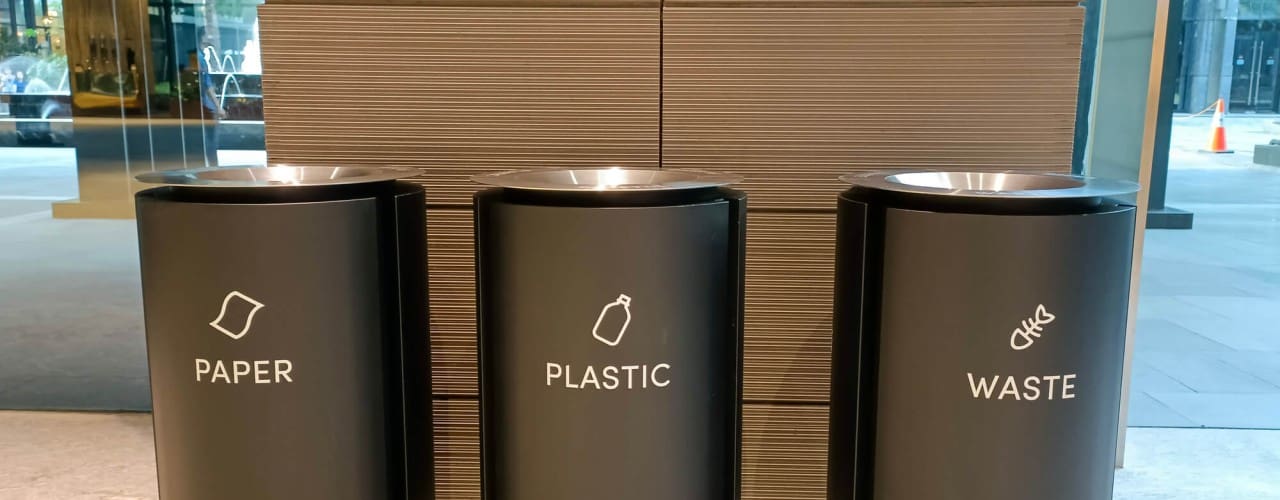
Wednesday, 28 January 2026
Sustainable workplaces begin with everyday decisions. The way teams use, store, dispose of and recover materials affects cost, compliance and environmental impact. Many organisations let waste build up instead of managing it as a clear system they measure and improve.
A structured waste strategy helps workplaces cut environmental impact while improving efficiency and accountability. It gives procurement teams, facilities managers and leaders clear processes instead of quick fixes. The strongest results come from consistency and long‑term planning, not short‑term clear‑ups.
Many businesses create more waste than they realise because processes develop without structure.
These gaps cause wider problems like:
Over time, this makes it harder to meet environmental targets or show responsible practice to stakeholders.
A clear waste management approach brings control back. It shows what waste you produce, where it comes from and how you can reduce or reuse it.
How does waste reduction support environmental goals?
The most effective workplaces focus on prevention first. Reduce waste at the source to make a bigger impact than trying to manage it after you create it.
This often begins with procurement. Standard products, less packaging and smarter ordering reduce excess materials. When teams follow consistent processes, they are less likely to over‑order or throw away unused items.
Lower waste volumes also reduce the number of collections, transport emissions and landfill use. Over time, this improves reporting accuracy and strengthens your organisation’s environmental performance.
Clear separation of waste streams is one of the simplest ways to improve performance. Mixed waste limits recycling and increases disposal costs. Clear segregation helps teams recover and reuse materials more effectively.
Good segregation depends on clarity. Place bins exactly where teams create waste. Label them clearly. Keep guidance simple and consistent across all sites.
When segregation forms part of a structured waste plan, it becomes routine. Teams follow the process because it is clear, not because someone keeps reminding them.
Accurate data moves waste management from guesswork to evidence. It shows how much waste you produce, what types dominate and how patterns change over time.
This insight supports better decisions. Procurement teams adjust product choices. Facilities teams refine collection schedules. Leaders report progress with confidence.
Data also supports compliance. Clear records help organisations meet legal duties and show responsible practice during audits or reviews.
Some organisations use several suppliers for waste services. This often leads to mixed service levels, scattered reporting and higher costs.
Bringing services together under one clear structure improves visibility and control. It improves visibility, simplifies reporting and reduces admin work for procurement and finance teams.
Bringing services together does not remove flexibility. When planned properly, it allows services to grow with business needs while keeping control and transparency.
A practical starting point for improving environmental performance includes
This method focuses on steady improvement through structure rather than disruption.
Waste affects more than the environment. Excess materials take up space and create clutter. Poor disposal processes cause delays and confusion.
Clear systems improve day‑to‑day efficiency. Storage areas stay organised. Collections follow a set schedule. Teams spend less time fixing avoidable issues and more time on core work.
This matters even more for multi‑site organisations. Standard processes reduce variation and improve reliability across locations.
Waste regulations continue to tighten. Businesses must show that they handle materials correctly and keep accurate records.
A proactive approach lowers risk. It ensures correct handling, clear documentation and defined responsibilities. This protects businesses from penalties and supports ethical practice.
Strong compliance also supports reputation. Customers, partners and employees expect responsible and transparent operations.
If you are reviewing your current waste processes, Bates Office can help you take a clearer and more practical approach. Our team reviews your current systems; helps you cut waste and puts clear waste processes in place that support both your business and environmental goals.
Employees engage more when processes are simple and consistent. Confusing guidance or mixed messages reduce participation.
Clear systems show that environmental responsibility is part of daily operations, not a side project. Over time, this builds awareness and shared responsibility.
When strong systems support change, engagement becomes natural rather than forced.
Start with clarity. Review current practices. Identify gaps. Set realistic objectives.
Instead of launching many initiatives at once, focus on changes that deliver measurable results. Improve segregation. Reduce unnecessary waste. Bring services under one clear structure where needed.
A phased approach allows improvements to settle gradually while maintaining stability and control.
Waste connects directly to procurement, storage, use and disposal. Treating it as part of a wider workplace supply strategy creates stronger results.
Integrated planning improves material flow throughout the workplace lifecycle. This reduces waste generation while supporting cost control and environmental targets.
When you align waste management with other services, it becomes part of one clear workplace strategy rather than a separate task.
Short‑term fixes rarely create lasting change. Sustainable workplaces benefit from long‑term planning, consistent systems and regular review.
A structured approach adapts as the organisation grows or regulations change. It keeps visibility, control and clarity in place.
Long‑term thinking builds resilience. It allows organisations to improve steadily while protecting efficiency and compliance.
If you want to improve environmental performance with clearer waste processes, Bates Office can help you take the next practical step. Our team supports organisations with structured waste management solutions that reduce waste, improve efficiency and strengthen responsible workplace practices. Contact us today to explore how a more organised approach could benefit your business.
Read the latest news, insights, and updates from Bates Office.
As working patterns continue to shift, office furniture plays a direct role in how modern...
Read More
Hybrid working has exposed weaknesses in traditional office supply models. Demand now peaks unpredictably across...
Read More
Shared office environments require structured cleaning to maintain safe working conditions. When that structure weakens,...
Read More