
Importance Of Document Management Systems
Documents sit at the centre of daily operations for most UK businesses, from contracts and...
Read More
Wednesday, 26 March 2025
Every business produces waste, from packaging and paper to everyday office materials. Yet, how that waste is handled can make the difference between efficiency and unnecessary cost. Waste Management isn’t just about compliance; it’s about running a smarter, cleaner, and more responsible workplace.
Effective Waste Management helps companies save money on disposal fees, reduce clutter, and improve productivity. It also plays a major role in meeting environmental goals and strengthening brand reputation. At Bates Office, we help businesses take control of their waste with tailored, sustainable, and compliant solutions designed for long-term results.
In simple terms, Waste Management refers to how an organisation handles its waste, from collection and storage to recycling, reuse, and final disposal. The importance of Waste Management in businesses goes far beyond simply “taking out the rubbish.”
A clean, organised workplace makes teams more productive and sends a positive message to clients and visitors. When managed correctly, waste becomes an opportunity to save money, meet sustainability targets, and reduce environmental impact.
By planning your Waste Management properly, you create a workplace that runs smoothly, stays compliant, and contributes to your company’s long-term success.
Neglecting proper waste practices can affect a business more than most people realise. The costs go beyond disposal fees, they impact time, productivity, and even your brand’s image.
Here are some common consequences of ineffective Waste Management:
Smarter Waste Management systems eliminate these problems. They save time, cut unnecessary expenses, and make your business cleaner, safer, and more sustainable.
Clean, well-organised workspaces do more than look professional, they actively improve how people work. A strong Waste Management plan keeps areas tidy, reduces distractions, and ensures everyone knows where materials belong.
Cluttered environments are inefficient and can even be unsafe. By managing waste properly, you create a workspace that’s easier to navigate, safer to move through, and more pleasant to work in. Employees can focus on their tasks instead of dealing with unnecessary mess.
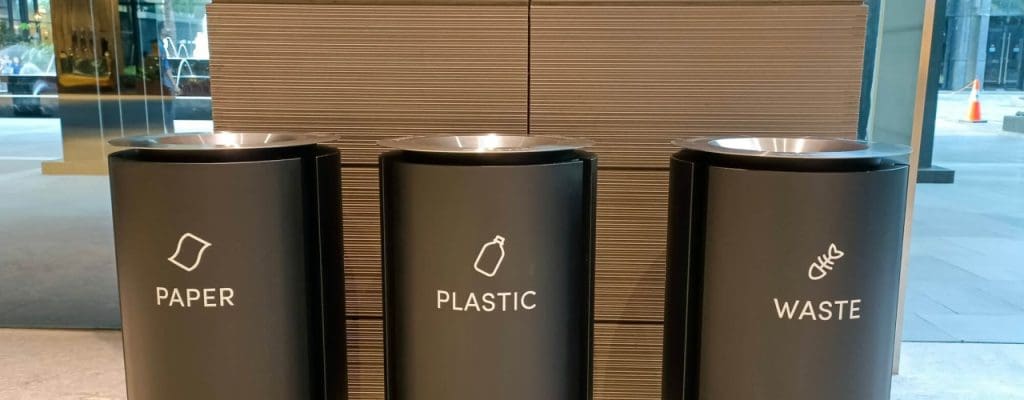
When waste bins overflow or recycling points are unclear, time gets wasted finding the right place to dispose of materials. Clear systems and designated zones make daily routines faster and more efficient, improving workflow across departments.
When everyone understands how to manage waste, accountability grows. Proper Waste Management empowers employees to take ownership of their workspace, reinforcing teamwork and shared responsibility for the environment.
One of the most significant aspects of Waste Management is compliance with environmental standards. Regulations are constantly evolving, and businesses are under growing pressure to demonstrate sustainable practices.
By introducing recycling, responsible disposal, and resource-saving strategies, companies can reduce their environmental footprint while staying compliant with national and local regulations. Beyond avoiding penalties, this proactive approach shows your organisation’s commitment to sustainability, something that customers, investors, and partners increasingly value.
Sustainable Waste Management isn’t just good ethics; it’s good business.
Recycling does more than reduce landfill waste, it creates tangible benefits for both your operations and your reputation. Businesses that recycle effectively spend less on general waste removal and contribute to the circular economy.
Structured recycling programmes help:
The importance of Waste Management in businesses lies in how these practices create value, not only financially, but through better workplace culture and stronger corporate identity.
Implementing Waste Management internally can be challenging. It requires time, resources, and expertise, especially to stay compliant with regulations and optimise processes. That’s why partnering with a reliable provider makes such a difference.
A professional partner handles everything from waste audits and collection schedules to recycling solutions and compliance monitoring. This ensures you achieve the best results with minimal disruption to your day-to-day operations.
Partnering with a trusted expert like Bates Office means your Waste Management programme is not just efficient but tailored to your specific needs, combining cost savings, convenience, and long-term sustainability.
Bates Office provides businesses with practical, eco-friendly Waste Management solutions that make a measurable difference. We focus on helping organisations become more sustainable while keeping costs under control.
Here’s what sets us apart:
With Bates Office, Waste Management becomes a strategic advantage, helping your workplace run smoothly, responsibly, and efficiently.
Transform how your business handles waste. Contact Bates Office today to explore customised Waste Management solutions that save money, improve organisation, and support your sustainability goals.
It’s the process of collecting, sorting, recycling, and disposing of waste efficiently and responsibly to support sustainability and compliance.
By cutting disposal fees, recycling more materials, and improving operational efficiency, businesses save money in the long term.
Clean, clutter-free environments make it easier for staff to focus, move around safely, and work efficiently.
Sustainable practices demonstrate environmental responsibility, building trust with clients, partners, and the wider community.
Because we deliver tailored, compliant, and eco-friendly services designed to reduce costs, meet regulations, and create smarter workplaces.
Read the latest news, insights, and updates from Bates Office.
Documents sit at the centre of daily operations for most UK businesses, from contracts and...
Read More
Sustainability in the workplace often starts with everyday decisions. How materials are used, stored, disposed...
Read More
Employee productivity is shaped by more than systems, targets, or management style. The physical environment...
Read More