2025-08-13-what-are-the-best-practices-for-secure-document-archiving-in-business

Knowledge Drop

What Are the Best Practices for Secure Document Archiving in Business?

Wednesday, 13 August 2025

Information drives every modern organisation, and how it is stored can determine long-term success. Effective Secure Document Archiving keeps essential records safe, accessible, and compliant with regulations.

For many businesses, managing large volumes of both physical and digital documents is challenging. That’s why a secure, structured approach, like the one offered by Bates Office is essential for protecting sensitive data and keeping operations running smoothly.

Why Is Secure Document Archiving Important for Modern Businesses?

Business data is one of the most valuable assets a company holds. From client records to financial reports, every file contributes to daily decision-making and compliance. Without a proper Secure Document Archiving system, businesses risk losing data, breaching privacy laws, or wasting hours searching for files.

A structured archiving process creates a foundation for efficiency and confidence. It allows teams to retrieve information quickly while maintaining control over who can access it. For regulated sectors such as finance, healthcare, and legal, archiving is not just beneficial, it is essential for compliance and credibility.

What Makes a Document Archiving System Secure?

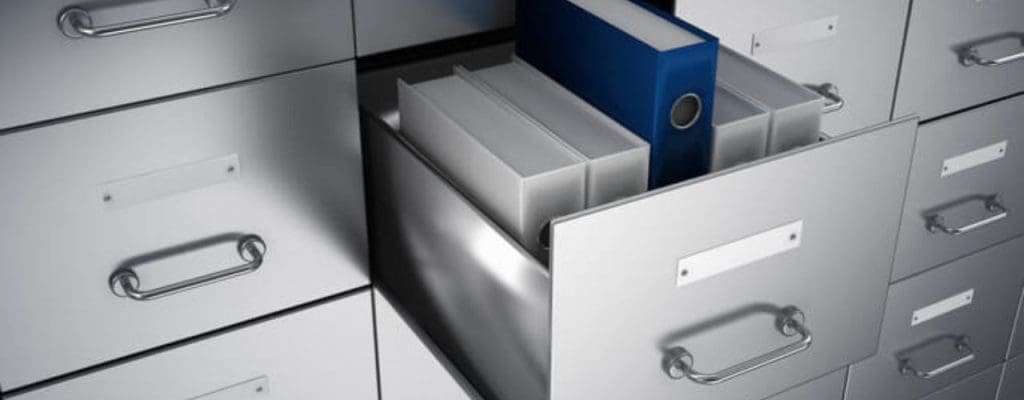
Security in document archiving means more than storing files behind a password or in a locked cabinet. It involves layers of protection, including technology, process, and accountability. The best systems combine physical and digital security to ensure documents remain safe from damage, loss, or unauthorised access.

Key elements of Secure Document Archiving include:

  • Encryption: Protects digital data from interception or theft.
  • Access Controls: Restricts entry to authorised personnel only.
  • Audit Trails: Tracks every access or change to a document for accountability.
  • Backup and Redundancy: Ensures copies exist in secure secondary locations.
  • Disaster Recovery Planning: Guarantees rapid restoration after data loss incidents.

These measures collectively safeguard both active and archived files, ensuring full lifecycle protection.

How Can Secure Document Archiving Improve Efficiency?

Organised archives save valuable time and resources. A properly implemented Secure Document Archiving system simplifies document retrieval, reduces clutter, and supports digital transformation. Employees spend less time searching for information and more time focusing on strategic tasks.

Digitisation also enhances efficiency. Converting paper files into digital formats allows instant searchability, version tracking, and easy sharing across departments. Bates Office helps businesses transition smoothly into digital archiving systems that improve collaboration while maintaining robust data protection.

What Are the Key Steps in Establishing Secure Document Archiving?

Developing a reliable archiving strategy requires clear planning and consistency. The following steps form the foundation for success:

  1. Audit Existing Files: Identify what needs to be archived, what can be discarded, and what requires restricted access.
  2. Categorise Documents: Group files by type, sensitivity, and retention period.
  • Digitise Records: Convert physical documents into secure digital copies where appropriate.
  1. Implement Security Protocols: Use encryption, permissions, and monitoring tools.
  2. Define Retention Policies: Set clear timelines for document storage and disposal.
  3. Train Staff: Ensure everyone understands procedures for secure handling and retrieval.

This structured approach helps maintain consistency, reduces risk, and aligns with compliance standards.

How Does Bates Office Support Businesses with Secure Archiving Solutions?

Bates Office provides end-to-end Secure Document Archiving services designed for reliability, accessibility, and compliance. Their solutions combine advanced digital platforms with secure storage facilities to protect sensitive information. Whether managing decades of financial data or client files, Bates Office ensures each document is catalogued, encrypted, and retrievable whenever needed.

The company’s expertise extends to hybrid models that integrate physical and digital archives, offering flexibility and scalability for growing organisations. With dedicated account management and ongoing support, Bates Office helps businesses maintain full control over their records.

How Can Secure Document Archiving Ensure Compliance?

Regulatory compliance is a major reason business invest in structured archiving. Laws such as GDPR, HIPAA, and the Data Protection Act require strict control over personal and confidential data. Secure Document Archiving ensures organisations meet these obligations by maintaining accurate, traceable records.

Key compliance benefits include:

  • Data Integrity: Prevents tampering and unauthorised modification.
  • Retention Control: Ensures documents are stored for legally required periods.
  • Audit Readiness: Provides clear trails for regulators and auditors.
  • Confidentiality Assurance: Protects sensitive customer and employee information.

By keeping documentation organised and secure, businesses reduce the risk of fines and reputational damage.

What Role Does Technology Play in Modern Archiving?

Technology transforms how companies approach Secure Document Archiving. Cloud storage, automated indexing, and AI-driven retrieval systems make data management faster and more reliable. Advanced solutions enable instant search across thousands of documents and seamless integration with other business tools.

Bates Office leverages cutting-edge technologies to help clients manage their archives efficiently. Automation reduces manual effort, while encryption and access controls ensure every file remains protected throughout its lifecycle.

What Are the Common Challenges in Document Archiving and How Can They Be Overcome?

Many organisations face similar obstacles when managing archives. These challenges often include:

  • Data Overload: Growing document volumes that are difficult to categorise.
  • Inconsistent Labelling: Poor naming conventions that slow down searches.
  • Security Gaps: Lack of encryption or monitoring tools.
  • Limited Space: Physical files consuming valuable office space.
  • Compliance Risks: Inadequate retention or disposal procedures.

These challenges can be addressed through clear policies, staff training, and the right technology. Partnering with experts like Bates Office ensures that secure systems and professional processes keep your archives efficient and compliant.

How Can Businesses Maintain Long-Term Reliability of Archived Data?

Long-term storage requires durability, consistency, and accessibility. Regular audits and technology updates help maintain reliability. Backups should be tested periodically to confirm recoverability. Using secure cloud environments and redundant storage guarantees data preservation even during system failures.

A well-managed Secure Document Archiving system not only protects information but also supports operational continuity. Bates Office ensures every archive remains safe, traceable, and future-ready.

Ready to Protect Your Business Information?

Effective Secure Document Archiving protects more than data, it protects reputation, trust, and business continuity. Contact Bates Office to discover dependable archiving systems that combine technology, compliance, and service excellence. Get in touch today to explore Bates Office’s secure storage and digital archiving solutions designed to safeguard your documents for years to come.

FAQs on Secure Document Archiving

A few common questions often arise when organisations plan their archiving strategy.

What is the difference between document storage and archiving?

Storage refers to keeping active files accessible, while archiving involves securely preserving inactive documents for long-term reference and compliance.

How long should businesses keep archived documents?

Retention periods vary by industry and regulation, but many organisations maintain archives for at least seven years. Always verify legal requirements for your sector.

Can paper records be safely digitised for archiving?

Yes. Scanning and digitising physical documents improve security and retrieval speed when combined with proper encryption and access control measures.

How often should archiving systems be reviewed?

A full review every 12-18 months ensures the system remains compliant, efficient, and aligned with changing business needs.

Insights

Read the latest news, insights, and updates from Bates Office.

Transform Your Workspace.