
How Employee Ownership Shapes Our Approach as an HM Gov Supplier
Knowledge Drop
Public sector procurement teams need suppliers that can work within the requirements of the framework...
Read More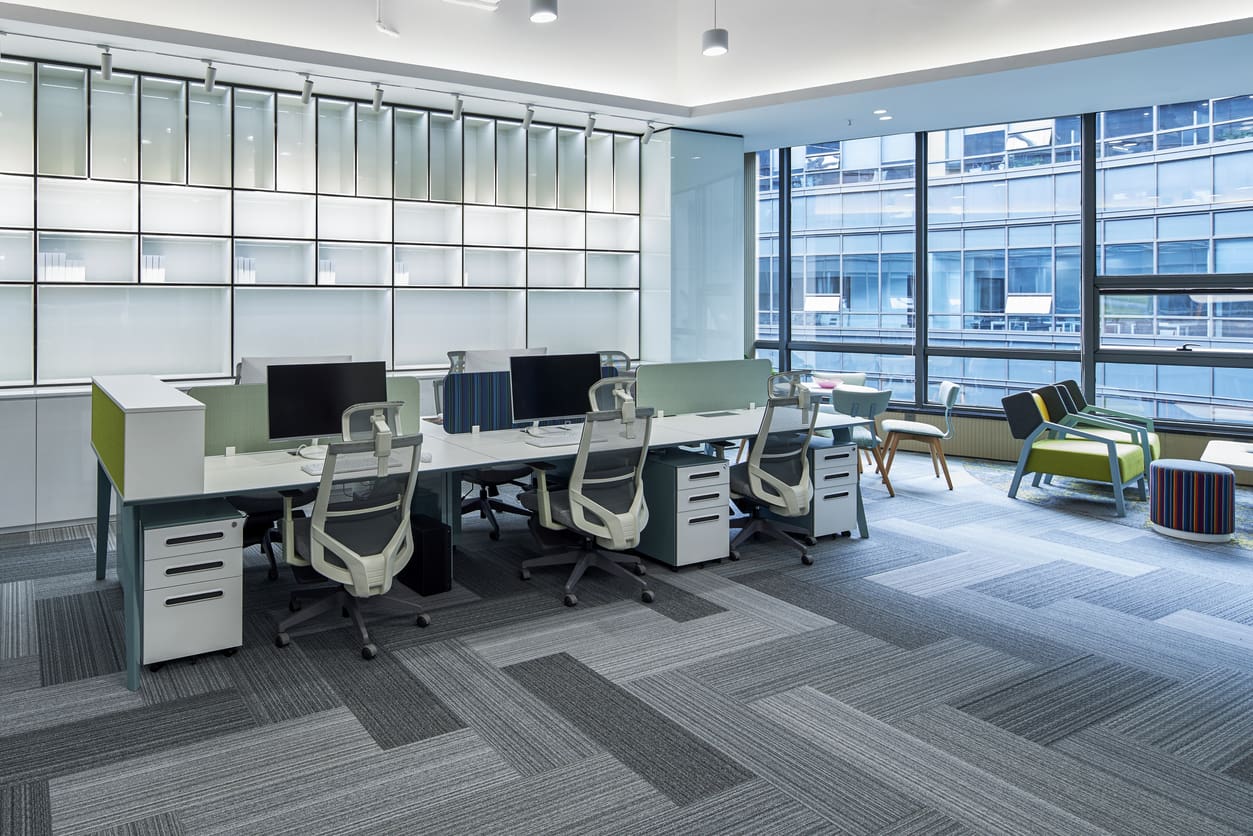
Wednesday, 13 May 2026
Procurement managers and facilities leaders often face a difficult balancing act when outfitting a commercial workspace. You need layouts that adapt to rapid team changes but also withstand heavy daily use. Over time, poor decisions create hidden costs.
Administration increases and productivity falls. We resolve this exact problem daily for UK businesses. At Bates Office, we understand that no two companies are the same. Trust and reliability are paramount, and the only way to achieve the best possible service for our customers is to listen.
We help organisations work more efficiently by simplifying purchasing and improving workspace environments through a single partner. Finding the correct operational balance requires viewing your physical space as an active asset rather than a static expense. We lead from the front by ensuring that structural agility never compromises long term durability. Modern business environments require strategic procurement that protects both your capital and your personnel simultaneously.
Adaptable office furniture allows businesses to reconfigure layouts quickly without spending additional capital. Hybrid work requires agile zones that support collaborative meetings and focused individual tasks based on daily headcount. This flexibility ensures your physical environment continually aligns with shifting operational needs without undergoing complete refurbishments.
Fixed desk rows simply hinder operational agility. Modern teams require environments that shrink or expand based on project demands. Providing modular components allows facilities managers to reshape floor plans effortlessly. You can shift a bank of desks into a collaborative pod within minutes.
Agile environments also maximise real estate efficiency for businesses. Making that space work harder delays the need for expensive relocations. Versatile seating arrangements allow a single room to serve multiple functions throughout the week. You retain total control over the spatial dynamics of your headquarters.
Longevity requires evaluating the total cost of ownership rather than focusing solely on the initial supplier invoice. High quality office furniture prevents repeated replacements that disrupt budgets and cause team frustration. Analysing warranty lengths and material durability reveals the true financial impact over a ten-year operational period.
Approaching purchasing simply by looking for the lowest immediate price point creates long term risk. Tail ends spend creeps up when inferior chairs fail prematurely. A heavily used task chair needs resilient mechanisms to maintain support throughout its lifespan. Cheap fabric frays under constant stress.
Investing higher capital upfront locks in reliability. You eliminate the constant cycle of reporting faults and ordering temporary replacements. A strategic assessment relies on evaluating core elements accurately.
Purchasing long lasting items inherently reduces your corporate carbon footprint.
Professional design and space planning services align physical dimensions directly with human workflows and corporate goals. This strategic mapping ensures every piece of new office furniture serves a precise operational purpose. Intelligent planning maximises square footage while fostering a productive atmosphere that naturally guides staff communication.
Workspaces fail when components are placed without understanding the underlying workflow. Bringing in experts early prevents costly layout mistakes. Strategic mapping analyses lighting conditions and noise levels to create logical zones. You might need quiet corners for intense concentration alongside open spaces for creative assemblies.
We map out these spatial variables using advanced software to give you a clear view of the result. This proactive method ensures that the final installation supports your operational objectives. Intelligent design naturally encourages the cross pollination of ideas.
Ergonomic setups maintain employee health by preventing strain injuries associated with prolonged computer use. Selecting office furniture that meets strict UK compliance regulations shields your business from liability. Proper lumbar support and height adjustable surfaces directly reduce absenteeism while boosting daily comfort and engagement.
The correlation between physical comfort and daily output remains undeniable. Maintaining compliance is a foundational necessity for any responsible employer. You must provide seating that accommodates various body types seamlessly.
Height adjustable desks give staff the agency to alternate between sitting and standing. This simple capability improves energy levels and encourages better blood circulation. Our assessments guarantee that your physical assets meet all workplace health and safety directives comprehensively.
Supplier neutrality ensures you receive recommendations based entirely on your specific requirements rather than arbitrary sales targets. This objective approach provides access to the finest office furniture across multiple independent manufacturers. You benefit from impartial advice that prioritises material quality and functional longevity above all else.
Being forced to select items from a single manufacturer artificially limits your operational potential. Neutrality allows a procurement partner to blend the finest seating from one manufacturer with class leading acoustics from another. This curation process guarantees that your budget translates into maximum tangible value.
We act as independent advisors who sift through the global market on your behalf. Our neutral stance involves managing distinct supply stages carefully.
You gain complete supply chain transparency.
A successful workplace refurb transforms physical spaces to resolve specific operational bottlenecks while remaining tightly on budget. The process integrates new office furniture without disrupting daily commercial activities. Staff return to a revitalised environment that instantly feels more intuitive and highly conducive to their daily duties.
We recently partnered with a rapidly expanding UK business struggling with a noisy open plan layout. Acoustic distractions severely disrupted their sales team. We listened carefully to department heads to understand their daily friction points.
Our space planning experts introduced acoustic dividers and modular meeting pods to create distinct operational zones. The physical installation occurred outside of core hours to protect their commercial momentum. The result was a decrease in reported stress levels and a rise in collaboration.
Procurement leaders regularly ask how to balance upfront costs with long term durability demands. They want to know the exact lifespan parameters of commercial office furniture units. These queries highlight a universal drive to secure maximum financial value while supporting staff effectively through intelligent physical design.
Navigating workspace upgrades generates numerous technical queries. Facilities managers need certainty before committing substantial capital to physical assets. Transparency during the planning phase prevents costly misunderstandings later in the project lifecycle. The concise insights detailed below address common obstacles encountered during commercial layout planning.
Inexpensive workspace assets utilise substandard materials that degrade rapidly under constant commercial use. This structural deterioration forces companies into a continuous cycle of ordering replacement items. The compounding costs of repeated purchases and maintenance hours quickly surpass the price of premium initial investments.
The average lifespan of high-quality commercial assets ranges between seven and ten years depending on commercial usage intensity. You should evaluate condition alongside ergonomic performance and aesthetic relevance annually. Proactive maintenance extends this functional timeline and prevents sudden failures across the organisation.
Supporting agile teams requires implementing lockers for personal storage and shared desks equipped with universal technology docks. Providing versatile spaces ensures every staff member feels accommodated when visiting the premises. Agile layouts allow spontaneous collaboration while respecting the fundamental need for structured individual focus.
If you want to create a more adaptable workspace, get in touch with Bates Office for a design consultation.
Read the latest news, insights, and updates from Bates Office.
Public sector procurement teams need suppliers that can work within the requirements of the framework...
Read More
Schools should review workwear and protective equipment before winter, but they should not replace every...
Read More
Budget planning gives procurement and finance teams a useful opportunity to look closely at the...
Read More