2026-01-21-how-office-furniture-shapes-productivity-and-wellbeing

Knowledge Drop

How Office Furniture Shapes Productivity and Wellbeing

Wednesday, 21 January 2026

Employee productivity is shaped by more than systems, targets, or management style. The physical environment people work in every day plays a direct role in how focused, comfortable, and effective they feel. When office products are treated as an afterthought, small issues begin to build. Discomfort, clutter, and unreliable equipment quietly interrupt concentration and slow work down.

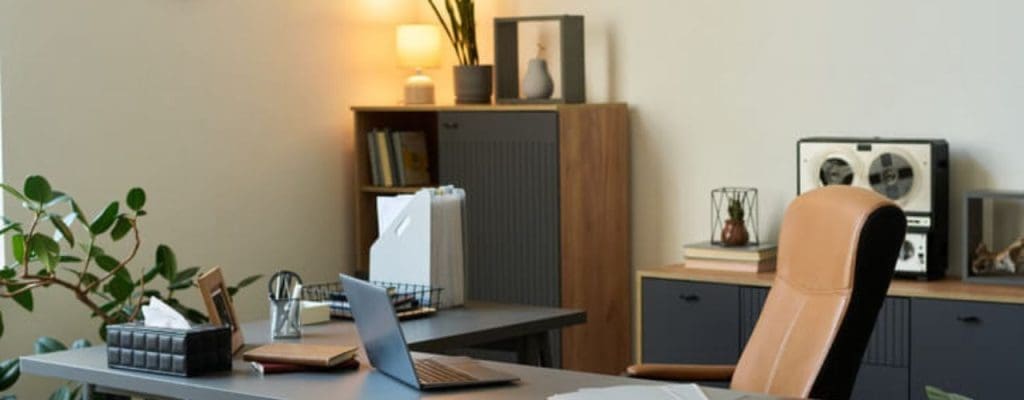
Well-considered office products support how teams operate. They reduce friction, improve comfort, and help people stay focused for longer periods. Office furniture is a core part of this environment because it sits at the centre of daily work, influencing posture, movement, and how easily tasks can be completed.

How the physical workspace affects employee productivity

The physical setup of a workplace shapes behaviour. Employees who are uncomfortable or constantly adjusting their space are more likely to lose focus throughout the day. Even minor issues such as awkward desk heights or limited storage can interrupt workflows repeatedly.

Office furniture that is properly specified helps reduce these distractions. Chairs that support good posture, desks that suit the equipment being used, and layouts that allow people to move easily all contribute to smoother working days. When the workspace works with employees rather than against them, productivity becomes easier to sustain.

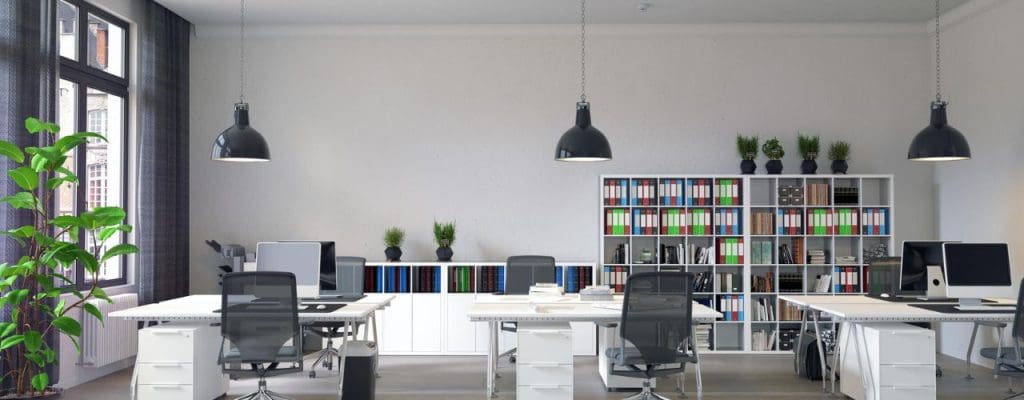
Shared spaces also play a role. Meeting rooms that are practical to use, storage that reduces clutter, and breakout areas that allow teams to reset between tasks all support consistent performance across the organisation.

Why poor office products create hidden inefficiencies

Inefficiency caused by office products rarely appears in reports. Instead, it shows up as lost minutes, repeated interruptions, and avoidable frustration. Employees may not raise these issues formally, but they still affect output over time.

Furniture that is unsuitable for its purpose can slow people down in subtle ways. Limited desk space, uncomfortable seating, or layouts that do not match how teams collaborate all create friction. Facilities teams then spend time responding to recurring issues, while procurement teams deal with reactive replacements rather than planned investment.

Addressing these problems early helps prevent small inefficiencies from becoming embedded in daily routines.

The role of comfort and ergonomics in daily performance

Comfort has a direct connection to performance. Poor seating and unsuitable desk setups are linked to fatigue, discomfort, and reduced concentration. Over time, this can contribute to higher absence levels and lower morale.

Furniture that supports good ergonomics helps reduce physical strain across the working day. Adjustable seating, suitable desk heights, and well-positioned screens all allow employees to work more comfortably for longer periods. When people are not distracted by discomfort, they can maintain focus and consistency.

There is also a wider message at play. Investing in employee comfort signals care and professionalism. This can have a positive effect on engagement, particularly in workplaces where retention and wellbeing are priorities.

A simple check for organisations

  • Can employees easily adjust their seating and workspace to suit their role and physical needs?

This single question often highlights gaps in current provision.

Why consistency across office products matters

In many workplaces, office products are purchased gradually from different suppliers. Over time, this creates inconsistency in quality, usability, and appearance. Employees moving between teams or sites may face different setups each time, which disrupts familiarity and comfort.

A consistent approach to office furniture helps create predictable working conditions. Staff know what to expect when they sit down to work. Facilities teams find maintenance easier to manage. Procurement teams gain clearer oversight of spend and supplier performance.

Consistency does not mean removing flexibility. It means agreeing on reliable standards that can be applied across the organisation while still supporting different roles and working styles.

Planning office products around real working patterns

Office products are sometimes selected based on appearance rather than function. While design matters, it should support how teams work. Different roles place different demands on the workspace.

Some employees need larger desk surfaces, others require additional storage, and hybrid teams benefit from layouts that support shared use without compromising comfort. Office furniture should reflect these realities rather than follow a single template.

Planning based on real working patterns reduces wasted spend and minimises disruption. It also helps avoid frequent changes, which can interrupt teams and inflate long-term costs.

Support productivity with the right workplace setup

If your workplace setup is causing discomfort, inconsistency, or repeated issues, it may be time to review how your office products are specified and supplied. A conversation with Bates Office can help identify practical improvements that support productivity and long-term value, including how office furniture is selected and managed across your organisation.

How procurement-led decisions improve long-term value

When office products are purchased reactively, long-term value is often missed. Lower upfront costs can lead to more frequent replacements, higher maintenance needs, and ongoing dissatisfaction.

A procurement-led approach looks at total cost of ownership. This includes durability, compatibility, warranty support, and ease of replacement. Furniture chosen in this way tends to last longer and perform more consistently, reducing disruption over time.

Procurement teams also benefit from better data and visibility. Spend becomes easier to track, supplier performance can be reviewed, and purchasing decisions are based on evidence rather than urgency.

The importance of reliable supply and delivery

Even well-chosen office products lose value if supply is unreliable. Delays, substitutions, or inconsistent quality disrupt planning and frustrate teams, particularly during office moves or expansion projects.

Office furniture often requires coordinated delivery and installation. A supplier with a reliable distribution network and clear accountability reduces risk and simplifies communication. This allows facilities and procurement teams to focus on planning rather than resolving avoidable issues.

Sustainability considerations in workplace product choices

Sustainability increasingly influences how employees view their workplace. Office products are a visible part of an organisation’s environmental and social commitments.

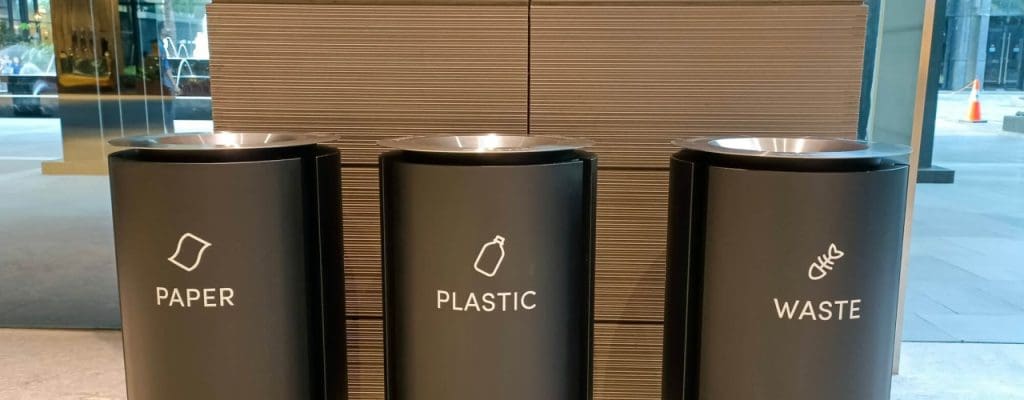
Furniture that is responsibly sourced and built to last supports sustainability objectives while also reducing waste and replacement frequency. Clear recycling routes and transparent sourcing further strengthen this approach, particularly for organisations with formal CSR goals.

Bringing it all together

Office products shape the working day in ways that are often underestimated. Comfort, consistency, reliability, and sustainability all influence how employees feel and perform. When these products are planned strategically rather than purchased reactively, productivity tends to improve naturally.

Office furniture plays a central role because it supports daily tasks across the organisation. Getting it right helps reduce friction, support wellbeing, and create working environments where people can focus on doing their best work.

Take a more structured approach to workplace supply

If you are reviewing how your workplace supports productivity and employee wellbeing, Bates Office can help you take a structured, practical approach to office products. Our team can support smarter decisions around office furniture and wider workplace supply, helping your organisation achieve consistent quality and long-term value. Contact us today discuss your requirements and explore how a more considered supply approach could support your teams.

Insights

Read the latest news, insights, and updates from Bates Office.

Transform Your Workspace.