
2025-09-10-how-can-your-office-really-cut-down-with-smarter-waste-management

Knowledge Drop

How Can Your Office Really Cut Down with Smarter Waste Management?

Wednesday, 10 September 2025

Every business produces waste, but the way it is managed has a direct impact on cost, compliance, and reputation. Smarter Waste Management helps offices save money, improve sustainability, and streamline daily operations. With rising environmental expectations, this is the right time to take a closer look. Bates Office makes achieving these improvements easier through eco-conscious products and tailored solutions.

Why Should Your Business Prioritise Smarter Waste Management?

Businesses across the UK generate more than 41 million tonnes of waste each year. Smarter Waste Management is about more than clearing bins, it reduces costs, keeps you compliant, and strengthens sustainability. Done well, it also boosts reputation and gives your company a competitive edge.

Cutting Costs

Reducing single-use items, recycling efficiently, and sourcing eco-friendly products lowers disposal fees. The savings free up resources that can be redirected into areas that support business growth.

Staying Compliant

Meeting recycling and disposal regulations avoids costly fines. It also shows clients and partners that your company values accountability and long-term responsibility.

Supporting Sustainability Goals

Smarter Waste Management helps you reduce landfill use and emissions. This supports corporate social responsibility commitments and appeals to eco-conscious stakeholders.

Strengthening Reputation

Taking sustainability seriously builds trust with clients and motivates employees. A positive reputation gives your business a lasting advantage in a competitive market.

How Can Cutting Paper Use Improve Office Efficiency?

Paper is still one of the largest sources of waste in many offices. By encouraging digital processes, introducing electronic signatures, and relying on cloud-based collaboration tools, you can reduce printing needs. This not only saves money but also frees up storage space while making documents easier to manage securely.

Switching to recycled paper for essential printing also reduces demand for virgin resources. Pairing these changes with employee training ensures that waste reduction efforts become part of everyday office culture.

What Simple Recycling Steps Can Offices Put in Place?

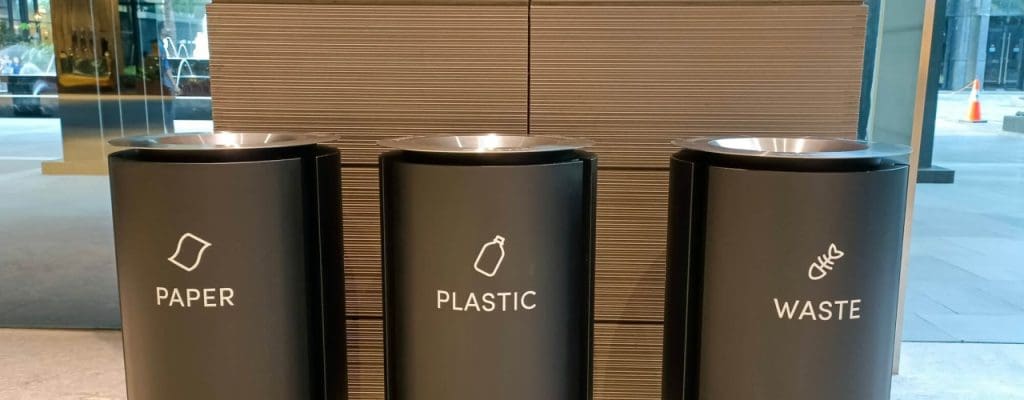
Recycling works best when it is practical and easy for staff to follow. Setting up clear, well-labelled bins across the office makes a big difference. A smarter Waste Management plan should also include regular collection schedules and consistent communication, so employees know exactly how to handle everyday items.

  • Paper, card, and packaging materials
  • Printer cartridges and electronic accessories
  • Food containers, bottles, and cans
  • Old equipment and furniture through specialist services

Creating office champions or sustainability leads can further support staff, encourage participation and make recycling an ongoing priority instead of a one-time effort.

Can Eliminating Single-Use Plastics Really Make a Difference?

Single-use plastics remain one of the most persistent office waste problems. Switching to alternatives is straightforward and effective. For example, replacing plastic cups with reusable mugs, stocking biodegradable cutlery in kitchens, and choosing recycled or compostable packaging reduces plastic waste. These small adjustments add up to meaningful reductions in overall disposal.

The benefits are twofold: less plastic waste going to landfill and a stronger reputation for caring about environmental impact. It is a change that resonates with employees, clients, and visitors.

Beyond reducing landfill waste, eliminating single-use plastics often leads to cost savings over time. Reusable items, such as mugs, bottles, and containers, have a longer lifespan and reduce the need for constant replacements. Combined with staff awareness and participation, these efforts create a culture of responsibility and sustainability in the workplace.

What Delivery and Supply Choices Affect Waste Management Most?

Supply chain decisions directly shape Waste Management outcomes. A reliable supplier offering eco-friendly products, consolidated delivery, and tailored services makes it easier for your office to cut waste. Partnering with a provider who reduces packaging and optimises logistics also helps limit excess material and unnecessary emissions from frequent deliveries.

Key areas to consider include:

  1. Delivery frequency and packaging efficiency
  2. Range of sustainable product options
  • Opportunities to consolidate orders across departments
  1. Use of recyclable or minimal packaging materials
  2. Availability of refillable or reusable products
  3. Supplier commitment to carbon-neutral logistics
  • Options for bulk ordering to reduce transport impact

By aligning procurement with sustainability goals, businesses not only reduce waste but also gain operational efficiencies.

How Does Employee Engagement Drive Better Waste Management?

Even the best Waste Management strategy will fail if employees are not engaged. Educating staff through regular updates, visible signage, and small incentives creates a culture where waste reduction becomes second nature. When employees feel empowered to take part, recycling rates improve, and overall sustainability targets are easier to achieve.

Involving employees in setting goals also helps. When staff feel ownership, they are more likely to champion waste reduction and keep the office committed to smarter practices in the long term.

How Do Smarter Purchases Reduce Office Waste?

Purchasing decisions define much of what ends up in office bins. By selecting high-quality, durable products, your office can avoid frequent replacements and the waste they generate. Choosing suppliers who focus on recycled or eco-friendly options further ensures that every purchase supports your sustainability efforts.

Simple measures such as buying refillable pens, long-lasting printer cartridges, or modular office furniture reduce both costs and waste. Over time, these decisions shape a supply system that aligns with both business goals and environmental commitments.

How Can Employee Engagement Improve Waste Management?

Even the best strategies fail without active participation from staff. Educating employees about recycling, encouraging responsible product use, and creating small incentives for sustainable behaviour can significantly reduce office waste. When employees understand the impact of their actions, they adopt habits that support efficiency and sustainability. Engaged teams help maintain long-term progress, ensuring that waste-reduction initiatives are consistently applied across all departments.

Are You Ready to Act on Smarter Waste Management?

The drive towards smarter Waste Management is both an environmental and a business opportunity. Reducing waste cuts costs, supports compliance, and strengthens your reputation. With the right partner, these steps are not difficult to implement.

Bates Office provides the tools, expertise, and sustainable product options to make smarter Waste Management a reality. If you are ready to see how your business can benefit, contact us today and take the first step towards a more sustainable and cost-effective future.

Insights

Read the latest news, insights, and updates from Bates Office.

Transform Your Workspace.