How Office Furniture Shapes Modern Workplaces This Spring
Knowledge Drop
As working patterns continue to shift, office furniture plays a direct role in how modern...
Read More
Wednesday, 25 March 2026
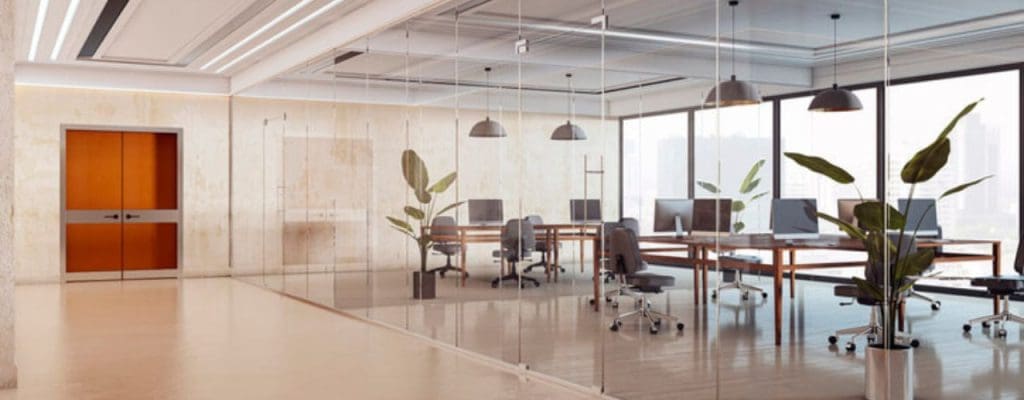
As working patterns continue to shift, office furniture plays a direct role in how modern workplaces function day to day. Hybrid attendance, flexible schedules, and seasonal refreshes place pressure on layouts to adapt quickly while remaining comfortable and practical. In spring, this focus sharpens as offices aim to improve flow, support wellbeing, and use natural light more effectively without disruptive refits.
Hybrid and flexible working have turned offices into shared, variable-use environments. Attendance levels fluctuate by day, with pressure often appearing first in shared areas such as meeting spaces and circulation routes rather than at individual desks.
Furniture selection needs to support this variability. On peak attendance days, desks, meeting areas, and walkways experience demand at the same time. Modular desks, reconfigurable seating, and shared work zones allow layouts to flex without constant rework. This helps offices handle busy days and can reduce inefficiency when occupancy drops.
Once attendance becomes uneven, fixed layouts restrict how space is used. Areas designed for full-time occupancy feel congested on busier days and underused during quieter periods. These patterns can become harder to correct once they settle.
Well-considered workplace furnishings improve circulation and reduce bottlenecks, allowing teams to adapt spaces before congestion becomes an operational issue. This matters most in offices where layouts need regular resetting rather than periodic redesign.
Comfort is now treated as a baseline expectation in many workplaces. Seating, desk height, and collaboration areas influence how people experience time on site, particularly during shorter but more intensive office days. Ergonomic chairs, adjustable desks, and varied seating options reduce fatigue and help employees remain productive. Shorter but more concentrated office days increase the importance of ergonomic support, as employees tend to work intensively rather than gradually adjusting to poor setups.
As daylight increases, workplaces reassess how light moves through the space. Poor furniture placement can block windows, create glare, or leave shared areas feeling enclosed. These issues tend to be more noticeable as occupancy rises.
Thoughtful positioning of workstations and storage allows natural light to reach more of the floorplate, particularly in shared zones where visual comfort affects usability. Spring refreshes often focus on these practical adjustments rather than major redesigns.
When layouts no longer reflect real usage, issues surface gradually. Congestion increases. Comfort drops. Shared spaces become harder to manage on busier days, often before problems are formally recognised.
Early alignment through better layout planning and updated furnishings proves more effective than correction once habits and expectations embed.
Where these pressures are starting to appear, an early sense-check can prevent them becoming established.
If you want to sense-check how well your current workspace setup is supporting day-to-day use, you can speak with the Bates Office team here.
Hybrid offices require deliberate zoning when attendance peaks. Focus areas, collaboration spaces, and informal touchdown zones often sit within the same floorplate, which places pressure on how boundaries are defined without permanent barriers.
Office furniture supports zoning by signalling how spaces should be used while keeping layouts flexible. Bench desks, high-backed seating, shared tables, and soft dividers help teams move between focused and collaborative work with less disruption when zones are supported consistently.
Furniture specification affects how easy an office is to clean and maintain. Awkward gaps between desks, poorly placed storage, and finishes that show wear quickly increase cleaning time and shorten visual lifespan.
Durable materials, accessible layouts, and well-positioned storage reduce friction for facilities teams. In spring, when offices reassess condition after winter use, furniture often highlights where maintenance effort is being wasted. Practical choices help control upkeep demands while maintaining daily standards.
In spring, many organisations reassess how their workplaces function and where small changes deliver meaningful improvement before usage patterns settle and become harder to reverse. Office Furniture remains a practical lever in these reviews, influencing layout flow, comfort, and how effectively space adapts to modern working patterns.
The practical challenge lies in ensuring furniture decisions reflect how the office operates week to week. By focusing on flexibility, wellbeing, and effective use of natural light, workplaces can refresh their environments in ways that support day-to-day operation as working models continue to evolve.
If you are reviewing how your office space is set up for the months ahead, a conversation with Bates Office can help you assess practical next steps.
How often should office furniture layouts be reviewed in hybrid workplaces?
In hybrid environments, layouts benefit from periodic review rather than fixed refresh cycles. Changes in attendance patterns, team structure, or space usage usually indicate when furniture arrangements need reassessment.
What role does furniture play in managing peak attendance days?
Furniture affects how well a workplace handles days with higher occupancy. Desk density, circulation space, and shared area configuration influence congestion and ease of movement.
Can furniture choices help reduce long-term space pressure?
Adaptable furniture allows organisations to adjust layouts without increasing floor space. Modular desks, flexible seating, and mobile storage support changing use patterns without costly reconfiguration.
How does furniture influence cleaning schedules and facilities workload?
Layout and specification affect cleaning access and time requirements. Poor spacing or fixed arrangements increase maintenance effort, particularly in shared areas.
Is it better to update furniture gradually or through full refits?
Many organisations benefit from phased updates rather than full refits. Incremental changes allow layouts to evolve alongside working patterns while reducing disruption.
How should organisations plan furniture decisions when working patterns are still changing?
When future use is uncertain, decisions work best when they prioritise flexibility. Choosing solutions that can be reconfigured or repurposed allows workplaces to adapt as attendance stabilises.
Read the latest news, insights, and updates from Bates Office.
As working patterns continue to shift, office furniture plays a direct role in how modern...
Read More
Hybrid working has exposed weaknesses in traditional office supply models. Demand now peaks unpredictably across...
Read More
Shared office environments require structured cleaning to maintain safe working conditions. When that structure weakens,...
Read More