How Office Furniture Shapes Modern Workplaces This Spring
Knowledge Drop
As working patterns continue to shift, office furniture plays a direct role in how modern...
Read More
Wednesday, 11 March 2026
Shared office environments require structured cleaning to maintain safe working conditions. When that structure weakens, small hygiene failures accumulate and disrupt daily operation. Janitorial Supplies sit behind that structure. They determine whether standards hold or deteriorate over time. Underinvestment in cleaning support rarely shows immediately. It becomes visible when disruption is hardest to manage.
Everyday cleanliness reduces surface contamination, spillages, and hygiene build‑up created through normal use. Routine attention to high‑touch areas keeps shared spaces usable without relying on occasional deep cleans to correct visible decline.
Minor lapses rarely trigger immediate complaints. They erode confidence gradually. Treating cleanliness as part of daily operations prevents that erosion from becoming operational friction.
Offices that review their cleaning routines alongside supply reliability are better placed to maintain consistent standards. This is often where working with a supplier such as Bates Office helps bring structure to what can otherwise become an informal process.
Appropriate cleaning materials support consistent hygiene across shared office spaces. The objective is control, not elimination. Exposure remains manageable when routines are predictable.
Predictability matters during seasonal illness and periods of higher occupancy. Kitchens and washrooms require steady attention to avoid cross‑contamination. Disruption tends to follow when routines become irregular.
Reliable supply support plays a practical role here. When materials are consistently available and aligned with how spaces are used, routines remain stable rather than reactive.
Demand is not evenly distributed across the office. Washrooms show lapses quickly. Kitchens and break areas create tension when cleaning falls behind. Desks, meeting rooms, and shared devices require routine surface attention. Entrances and corridors present visible risk when moisture or debris is left unattended.
Across these areas, janitorial supplies support consistency. Without them, cleaning shifts from preventative to reactive. A supplier that understands usage patterns across shared spaces can help ensure the right materials are available where pressure builds first.
Clean environments influence how people experience their workplace. Maintained shared areas encourage regular use. Inconsistent standards create hesitation.
Over time, poor cleanliness contributes to frustration and avoidable absence. Cleaning alone does not determine wellbeing. It shapes daily perception of the working environment.
Professional spaces depend on steady standards. Visitors and staff form impressions quickly.
Fluctuation damages credibility more than visible wear. Consistent routines reduce reputational risk in client‑facing areas. For many organisations, that consistency depends as much on dependable supply arrangements as it does on cleaning schedules.
Underestimation turns cleaning reactive. Problems are addressed after they become visible.
Pressure shifts to facilities teams. Complaints increase. Standards become harder to restore once decline sets in.
At this point, reviewing the current approach becomes practical rather than optional. Where cleaning standards are starting to drift or supply gaps are creating pressure, a short conversation with Bates Office can help assess whether your current janitorial support still reflects how your workplace operates day to day.
Routine cleaning prevents small issues from interrupting normal operation.
Clean entrances reduce slip risk. Maintained kitchens support daily use. Functional washrooms avoid temporary closures or dissatisfaction.
Reliable access to cleaning materials keeps routines intact during busy periods or changes in occupancy. Continuity depends on availability. Structured supply support reduces the risk of disruption caused by shortages or last‑minute substitutions.
Suitability matters more than volume. Supplies must match the spaces in use and the frequency of cleaning required.
Availability is equally important. Replenishment delays create inconsistency. Improvised substitutions undermine standards.
A supplier who understands operational cleaning patterns makes stability easier to maintain. Bates Office works with organisations to align janitorial supply arrangements with real usage patterns rather than assumptions about demand.
Safe office environments are maintained through routine. Janitorial supplies enable that routine. Without consistent support, hygiene standards drift and become harder to recover.
Organisations that treat cleaning as part of daily operation protect wellbeing and reduce avoidable disruption. If you are reviewing how your current routines are holding up, you can contact Bates Office to discuss practical next steps and ensure supply support matches the way your workplace operates.
How often should office cleaning routines be reviewed?
Review routines when space usage changes, headcount increases, or concerns begin to surface. Regular assessment ensures standards reflect daily demand.
Who is responsible for maintaining hygiene standards in shared office spaces?
Responsibility should sit with defined roles. Standards decline when ownership is unclear. Clear accountability prevents gaps.
Are janitorial supplies different for high‑traffic office areas?
High‑traffic areas require more frequent attention and reliable supply access. Visibility
increases expectations. Routines must reflect usage intensity.
How can offices prevent cleaning routines from becoming reactive?
Consistency prevents escalation. Predictable schedules and reliable supplies reduce reliance on last‑minute correction. Early review limits disruption.
Read the latest news, insights, and updates from Bates Office.
As working patterns continue to shift, office furniture plays a direct role in how modern...
Read More
Hybrid working has exposed weaknesses in traditional office supply models. Demand now peaks unpredictably across...
Read More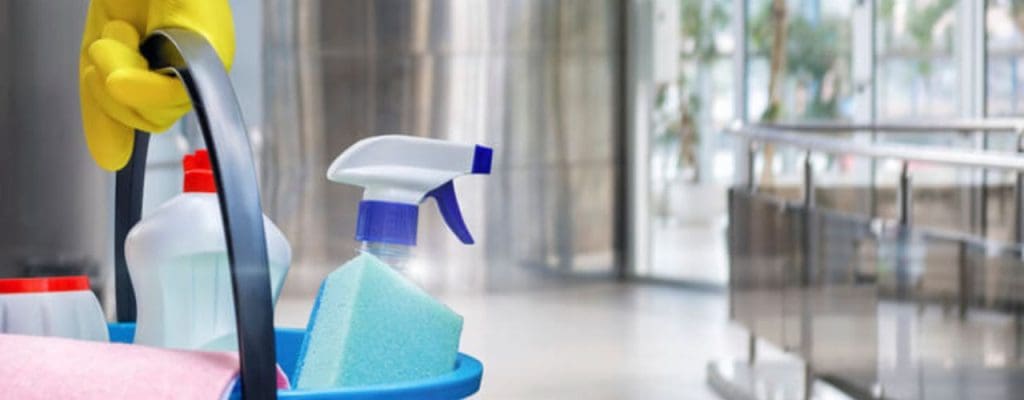
Shared office environments require structured cleaning to maintain safe working conditions. When that structure weakens,...
Read More